GUIDESASTER MEETS
Aster meets Jean Phil
Is Jean Phil real? How to spot an AI influencer
A deadpan Frenchman shadowboxing around Paris picked up hundreds of thousands of followers in two weeks. Then people noticed his hair never moved, and a coin showed up in his bio. Here’s what’s reported, how this kind of video is made, and how to spot the next one.
01THE STORY
How Jean Phil went viral
Why it mattersTwo weeks, nine posts, a quarter of a million followers. Fast growth isn’t proof of a fake, but it’s a reason to look twice.
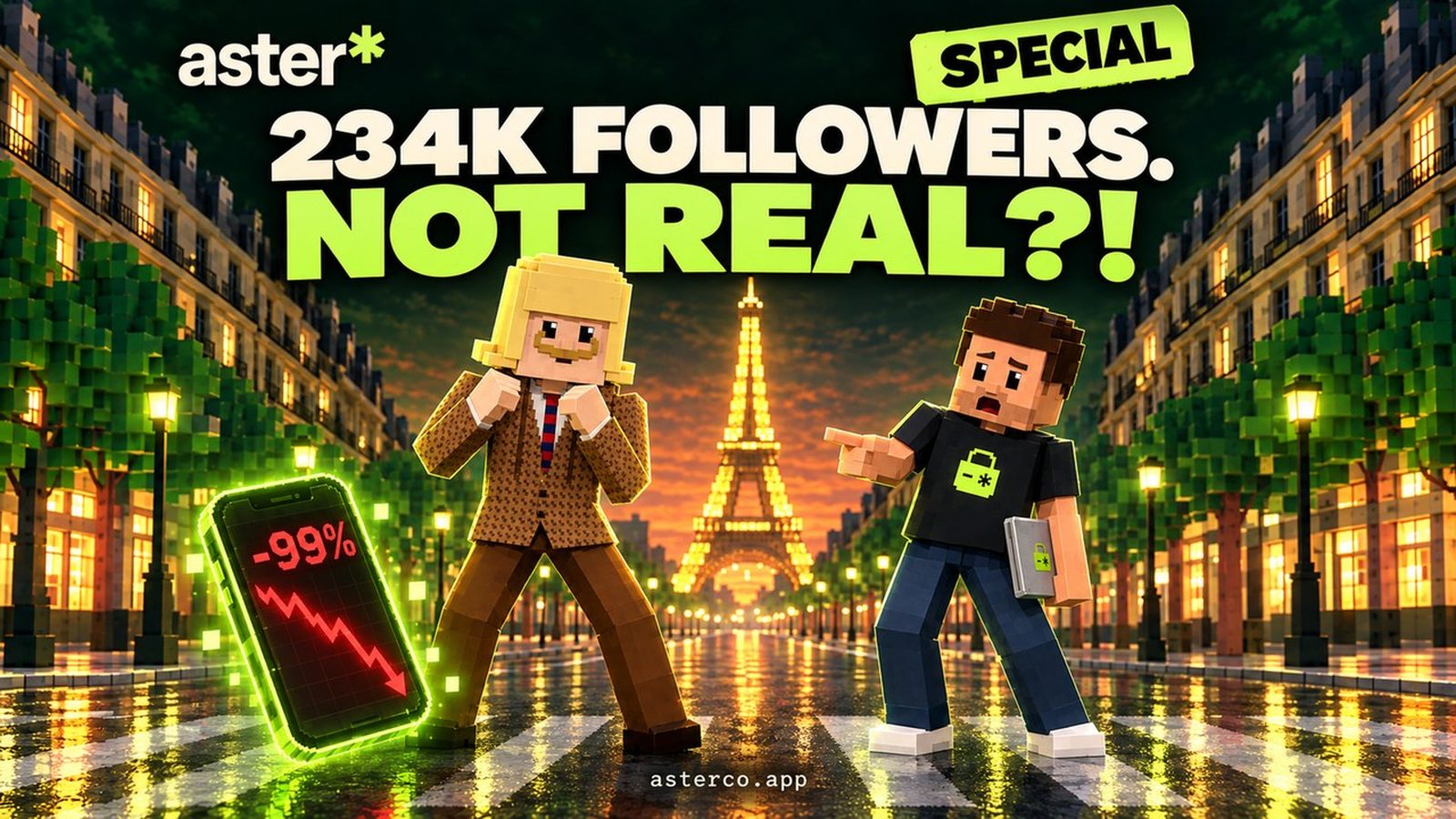
Jean Phil, or @jean_philanthrope on Instagram, is a tall, deadpan Frenchman. He has a blonde bob, a curled handlebar moustache and a houndstooth suit. In each clip he shadowboxes on a Paris street, in a park or on a crossing, with the same straight face. His bio says “Oui Madame.”

Open the full chapterIncludes a note
According to Know Your Meme, his first Instagram post went up on September 17, 2026, and he arrived on TikTok around September 19. One park clip passed 5.6 million views. LADbible reported a video with over 35 million views. By October 1 the Instagram account had about 234,000 followers from just 9 posts.
Then people looked closer
On September 25, an AI-spotting account posted a breakdown concluding Jean Phil was not a real person. Know Your Meme reports it passed 1.6 million views in three days. LADbible and Dexerto both describe him as AI-generated. Nobody has publicly identified who made him.
02HOW IT’S MADE
How he was made: motion transfer
Why it mattersWhen the movement is borrowed from a real person, “it moves naturally” stops being evidence that someone is real.
Jean Phil’s videos have something most AI clips struggle with. The street looks real, the camera shakes like a phone in someone’s hand, and the punches have real weight. That’s exactly what motion transfer is good at.
Open the full chapterIncludes a note
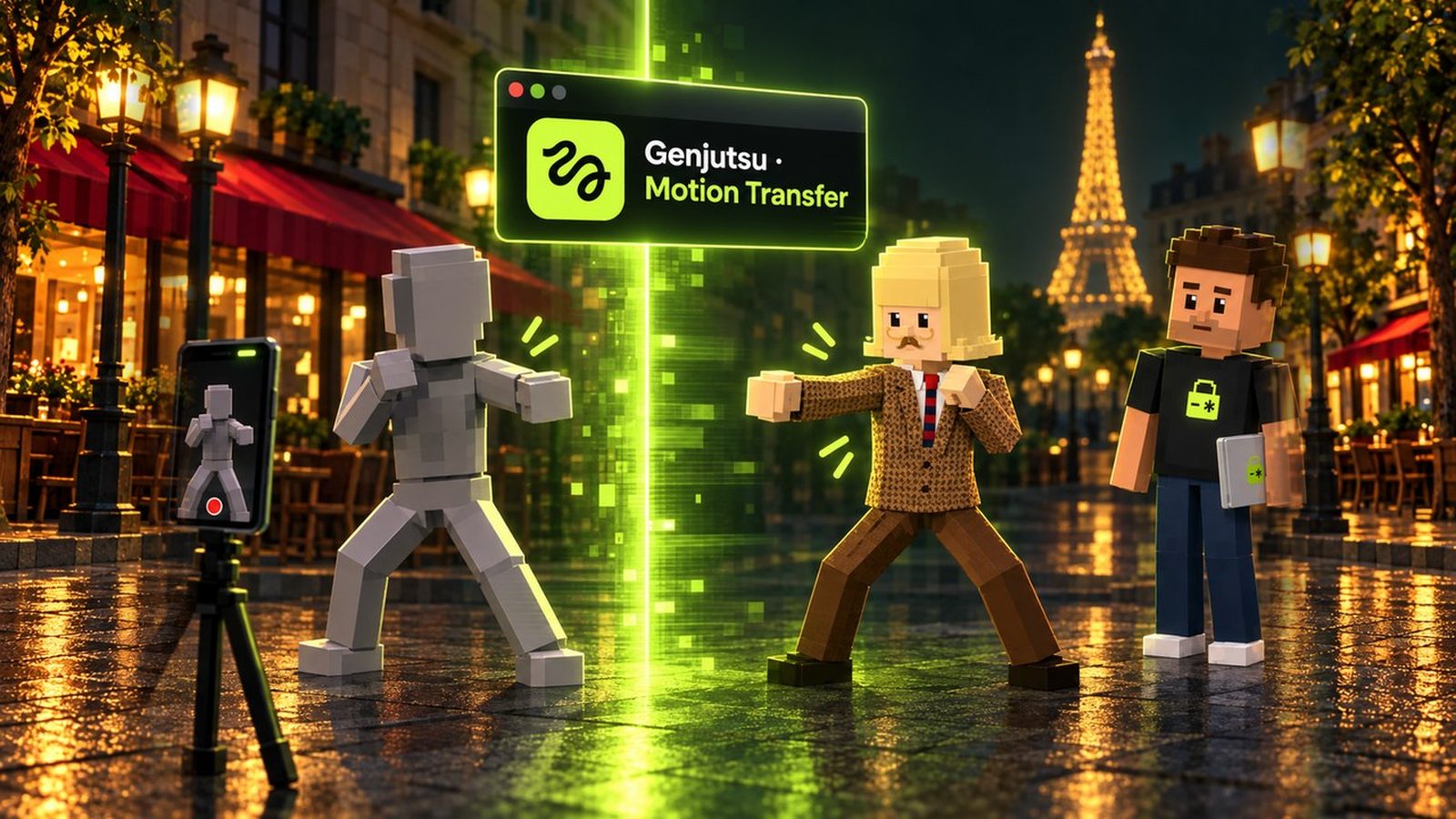
The idea is simple. You film a real person doing the movement. Then a model keeps the motion, the camera and the timing from that clip, and rebuilds the person (and sometimes the scene) from reference images of someone else.
One example: Higgsfield Genjutsu
Higgsfield introduced Genjutsu, which includes a Motion Transfer mode, on its blog on August 31, 2026. According to Higgsfield:
- It takes a source clip of 4 to 30 seconds and up to 30 reference images.
- It keeps the original movement and timing, and applies them to a new character or rebuilt scene.
- Output goes up to 1080p.
- 15 seconds at 1080p costs about 144 credits, roughly $7.20.
A motion-transfer tool such as Genjutsu can produce exactly this kind of video: a real performance, a real street, and a face that belongs to nobody.
03THE MONEY
The token in the bio
Why it mattersTreat any token promoted by a character, real or AI, as an ad, not as advice. This guide isn’t financial advice either.
Around September 19 to 20, a Solana meme coin called $JEANPHIL was launched on the pump.fun platform, and it appeared in Jean Phil’s bio. Here’s what has been reported:

Open the full chapterIncludes a table, a note
| Source | What it reported |
|---|---|
| LADbible | The price peaked on September 21, then lost more than 99% of its value. |
| Dexerto | A market cap of about $8.8 million on September 25. |
| CoinTribune | A peak market cap around $12 million within a week of launch. |
The numbers don’t line up neatly, and that’s part of the lesson. Meme-coin figures are snapshots. Dexerto notes they can change within minutes and typically lose most or all of their value in the dump phase.
CoinTribune also reports that an account presenting itself as Jean Phil said it had sold no tokens, and notes that this claim was not independently confirmed.
Why a coin changes everything
A funny AI character is just content. A funny AI character with a coin in the bio is a sales funnel: the videos bring attention, the attention brings buyers, and the buyers set the price. When the attention moves on, so does the money. In our episode, Aster puts it in one line: if a viral character suddenly has a coin in the bio, the coin is the product.
04THE PATTERN
The copycats
Why it mattersOne fake is a curiosity. A template that anyone can repeat for a few dollars a clip is a trend, so expect more.
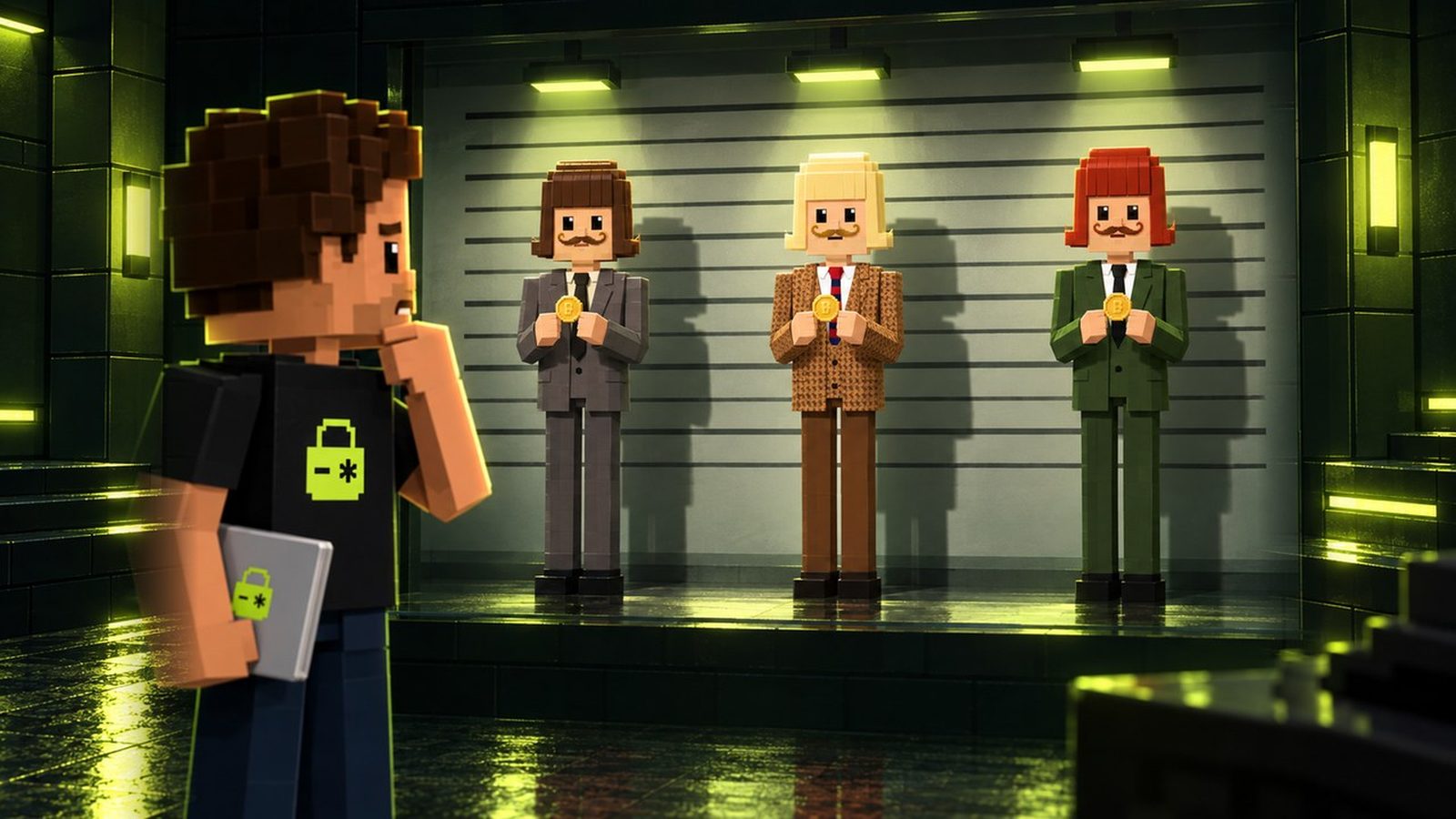
Success gets copied fast. Dexerto and LADbible describe new AI characters using the same recipe:
Open the full chapterDetails and sources
- Archibald Brown: a “British rival” in the same suit-and-moustache style who shadowboxes and challenges Jean Phil. Coverage reports an associated token and over 100,000 followers.
- Derek Mercer: a much smaller account that Dexerto lists with its own token.
The formula is always the same: an AI persona, a repeatable visual joke, fast follower growth, and a token in the bio. Once you’ve seen the pattern, you’ll spot the next one sooner.
05THE CHECKLIST
How to spot an AI influencer
Why it mattersYou don’t need special software. Two minutes of looking at the bio, the details and the history catches most fakes.
No single sign proves an account is AI. Several together are a strong hint. Here’s what to check, in about two minutes:

Open the full chapterIncludes steps, a note
- Account age vs. polish. Open the profile and scroll to the first post. A days-old account with cinematic, perfectly lit videos and a huge following is unusual for a real person starting out.
- A coin or presale link in the bio. Tickers, contract addresses, “buy” links, Telegram groups for a token. If money is the call to action, the character is marketing.
- Hair, hands and text that never move or melt. Pause on several frames. Real hair moves in wind and with every punch. Watch fingers, teeth, earrings and street signs: AI often freezes them, merges them or changes their shape between frames.
- The same motion in different places. Compare two videos side by side. Identical punches, timing and camera shake in different streets suggests one source clip reused with motion transfer.
- Reverse image search. Screenshot a clear frame of the face and search it with Google Lens (or another reverse image search). Real people usually show up elsewhere: older photos, tagged posts, interviews. A face with no history is a flag.
- Search “is [name] AI”. AI-spotting creators and news sites often post breakdowns within days, like the one that called out Jean Phil on September 25.
- Never buy a token because a character promotes it. Not a real influencer, not an AI one. The FTC warns that only scammers guarantee profits or big returns.
06FOR BUILDERS
Why this matters for builders
Why it matters“Looks real” is not a test. A second look is.
The same thing happens in code. AI tools write code that looks finished: it runs, the page loads, the demo works. That doesn’t tell you whether a key ended up in the browser, a database table is open to anyone, or an AI route is spending money for strangers.

Open the full chapterDetails and sources
So check it the way you’d check a viral account: look at the details before you trust it. Our earlier guides cover the most common gaps: protecting API keys, Supabase Row Level Security and protecting your AI endpoint.
THE QUICK READ
What to take away.
In one minute.
- 01
Jean Phil (@jean_philanthrope) is reported to be an AI-generated character. His creator is unknown, and no tool has been publicly confirmed.
- 02
A motion-transfer tool can keep a real person’s movement, camera and timing, and swap in a new face and body. That’s why the street, the shake and the punches look real.
- 03
A $JEANPHIL token launched on pump.fun and appeared in his bio. Coverage describes the pattern as a pump-and-dump. Market cap is not what anyone earned.
- 04
Copycats appeared within days with the same formula: an AI persona plus a token.
- 05
The defense is the same for a face or for code that “looks real”: check it before you trust it.
QUESTIONS PEOPLE ASK
Good questions.
Short answers.
Is Jean Phil real?
No real person has been identified behind the character. Coverage from LADbible and Dexerto describes @jean_philanthrope as AI-generated, and an AI-spotting breakdown posted on September 25, 2026 concluded he was not a real person.
Who made Jean Phil?
Nobody knows publicly. As of October 1, 2026, the creator of the Jean Phil account has not been identified in the coverage we found.
What AI tool made Jean Phil?
It hasn’t been confirmed. The videos look like motion transfer, where a real person’s movement is kept and a new face and body are generated. Tools such as Higgsfield’s Genjutsu can produce this kind of video, but no public source confirms which tool, if any, was used.
What happened to the Jean Phil coin?
A $JEANPHIL token launched on pump.fun around September 19 to 20, 2026 and appeared in his bio. LADbible reported that the price peaked on September 21 and then lost more than 99% of its value. Coverage describes the pattern as a pump-and-dump.
Did Jean Phil make $9 million?
There’s no evidence of that. Reported figures of around $8.8 to $12 million were the token’s market cap, which is every coin multiplied by the last trade price. Dexerto notes that market cap does not mean the creators earned that amount.
Who are Archibald Brown and Derek Mercer?
They are AI characters that appeared after Jean Phil with the same formula: an AI persona with a repeatable joke and a token in the bio. That’s according to Dexerto and LADbible.
How do I spot an AI influencer?
Check the account age against how polished it is, and look for a coin or presale link in the bio. Pause on hair, hands and text for frozen or melting details. Look for the same motion reused in different places. Then reverse image search a frame, and search “is [name] AI”.
Should I buy a token an influencer promotes?
This isn’t financial advice, but a character promoting a coin is advertising, not evidence of value. Meme coins tied to viral accounts have lost almost all their value within days, and the FTC warns that only scammers guarantee profits.
Jean Phil is a good joke and a better lesson. Borrowed motion makes a fake person look real. A viral moment gets turned into a coin, and copycats follow within days. Check the bio, the details and the history before you trust what you see. And never buy a token because a character tells you to. The same goes for code an AI wrote for you: it can look finished and still need a second look. A free Aster audit can take that look at your repo, starting with leaked keys and open database tables.
Source notebook8 links
- Know Your Meme: Jean Philanthrope / Jean Phil
- LADbible: influencer Jean Phil is AI-generated (Sept 28, 2026)
- Dexerto: who is Jean Phil, the AI character behind a meme coin
- Higgsfield: introducing Genjutsu (Aug 31, 2026)
- CoinTribune: Jean Philanthrope and the crypto behind him
- FTC: what to know about cryptocurrency and scams
- LADbible: the AI-generated rival to Jean Phil (Sept 30, 2026)
- Google Search Help: search with an image